Hybrid Project Teams: Maximizing Efficiency in Flexible Construction Work Environments
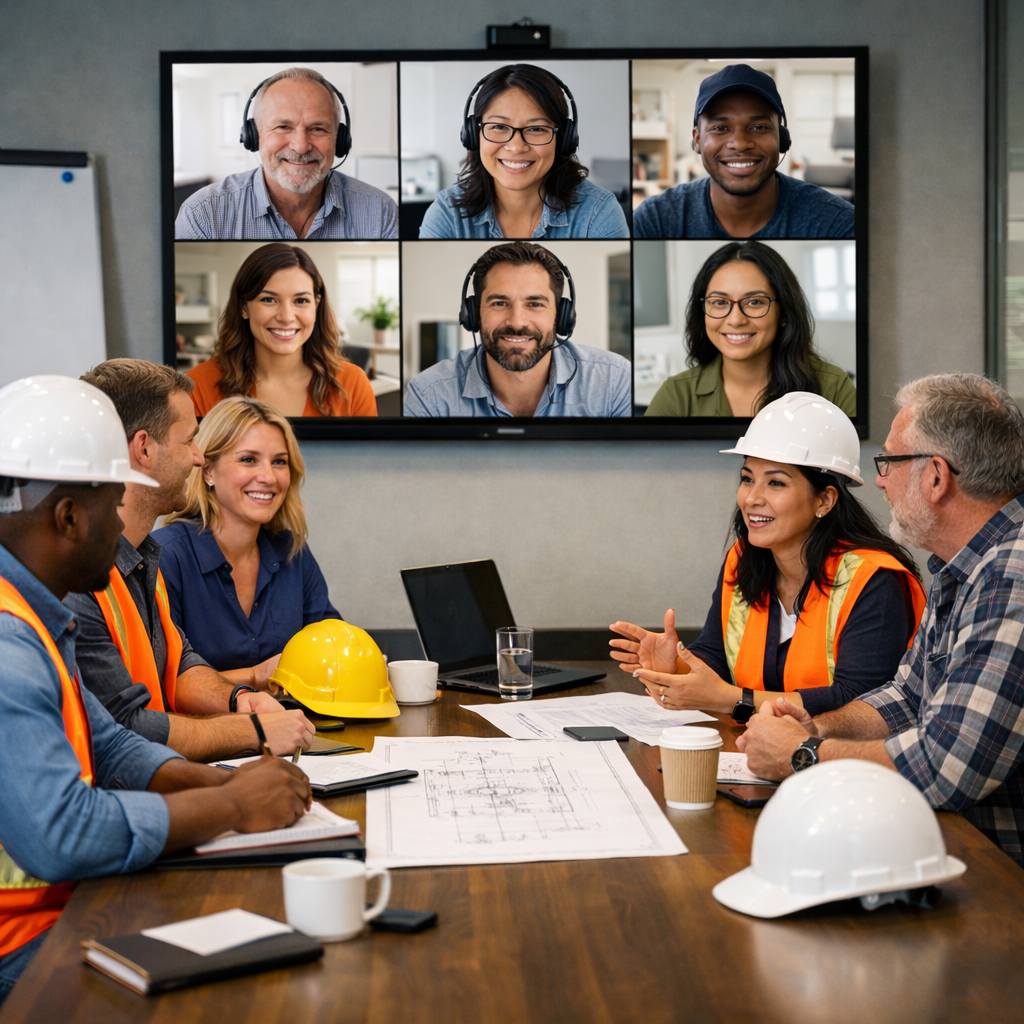
The rise of hybrid work models, integrating home, office, and field environments, is transforming construction project management. Hybrid teams offer significant advantages in flexibility, productivity, and employee satisfaction when managed effectively. Project Managers, Construction Managers, Schedulers, and Document Control Specialists, among other roles, increasingly operate within these hybrid structures, leveraging advanced tools and strategies to maintain productivity and project continuity.
McKinsey & Company reports that organizations effectively implementing hybrid work models can boost productivity by up to 20%, underscoring the strategic potential of hybrid arrangements within construction contexts.
Strategic Advantages of Hybrid Teams in Construction
Hybrid teams in construction enable organizations to optimize resource allocation, enhance employee well-being, and maintain project timelines despite geographical and logistical challenges. This model is particularly beneficial for roles requiring extensive field oversight, detailed administrative management, and continuous collaboration across dispersed teams.
Deloitte emphasizes that hybrid teams often experience enhanced job satisfaction, improved work-life balance, and increased retention rates, significantly impacting project efficiency and organizational resilience positively.
Advanced Management Practices for Hybrid Teams
To fully realize the benefits of hybrid construction teams, advanced management practices and technology integration are essential:
- Integrated Digital Platforms: Utilize robust digital collaboration tools such as Procore, Autodesk BIM 360, and Microsoft Teams to ensure seamless communication, real-time data sharing, and efficient workflow management across diverse work environments.
- Clear Communication Protocols: Establish explicit communication norms and schedules, balancing synchronous interactions (real-time video meetings, field check-ins) with asynchronous communication (project management software updates, digital reports).
- Performance Metrics and Accountability: Implement clear, measurable performance metrics and accountability structures adapted specifically to hybrid work conditions, ensuring transparency and productivity irrespective of work location.
- Comprehensive Training Programs: Provide thorough training on hybrid work technologies and methods to enhance employee proficiency and confidence, reducing technology-related productivity losses.
- Ensure robust training and ongoing support for team members in advanced project management and digital collaboration tools.
- Clearly define and regularly communicate performance expectations and responsibilities tailored for hybrid environments.
- Maintain regular team engagement through structured virtual check-ins and collaborative platforms to enhance cohesion and productivity.
- Prioritize transparency in project tracking, documentation, and resource management to sustain accountability and clarity.
- Continuously refine hybrid work practices through employee feedback, adapting strategies to enhance efficiency and satisfaction.
Enhancing Productivity and Professional Growth
Hybrid project environments offer substantial professional development benefits, enabling construction professionals to enhance their technological capabilities, collaborative skills, and adaptability. Gartner highlights that professionals proficient in managing hybrid work arrangements are increasingly valuable, as organizations across industries seek flexible, resilient, and technologically adept personnel.
Construction professionals adept at navigating hybrid environments position themselves for advancement, equipped with transferable skills highly sought after in increasingly digital and flexible professional landscapes.
Quick Tips: Maximizing Productivity in Hybrid Construction Teams
Hybrid project teams offer construction organizations strategic advantages in flexibility, productivity, and employee satisfaction when effectively managed. By adopting advanced practices, robust technological integration, and clear management protocols, construction firms can significantly optimize their operations, ensuring sustained project success and professional growth.
Working in construction project teams?
Join Innova’s talent network, or tell us about a role you need to fill.